Daedong Metals Steps Up Transformation Into a High-Value Precision Casting and Advanced Materials Company
“We will transform our business to more than double revenue in four years.”
-. The company holds a media roundtable to share mid- to long-term growth plans centered on increased orders, advanced materials and manufacturing AX.
-. Performance gains become evident, with KRW 48.4 billion in new orders, KRW 101.8 billion in revenue and a return to operating profit in 2025.
-. New businesses in smart farm structural materials and new alloys for robots and mobility underpin a 2030 revenue target of KRW 240 billion.
Daedong Metals is embarking on a transformation into a materials and components company serving future industries, with two strategic pillars: expanding its high-value precision casting business and pursuing new businesses in advanced materials.
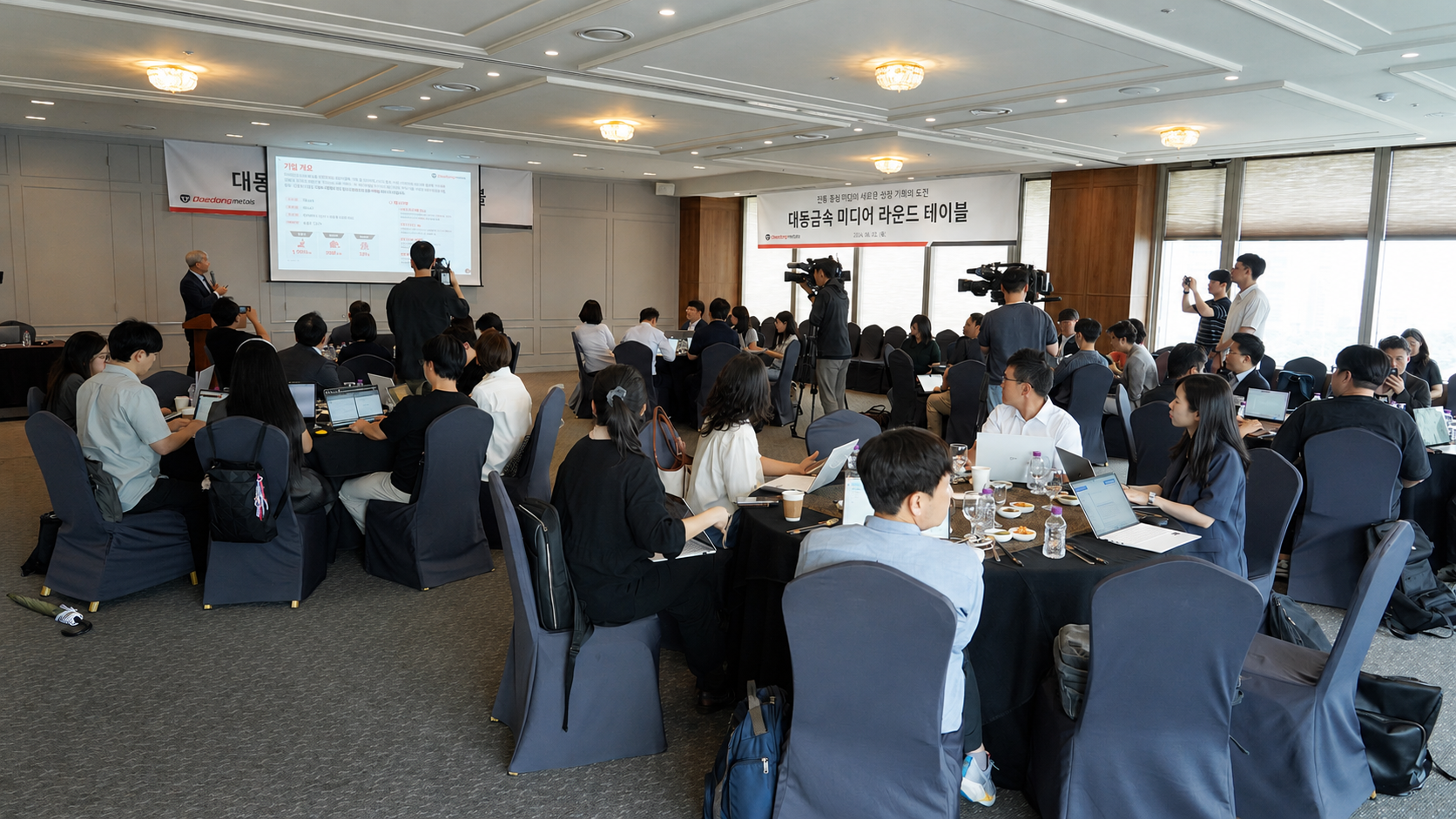
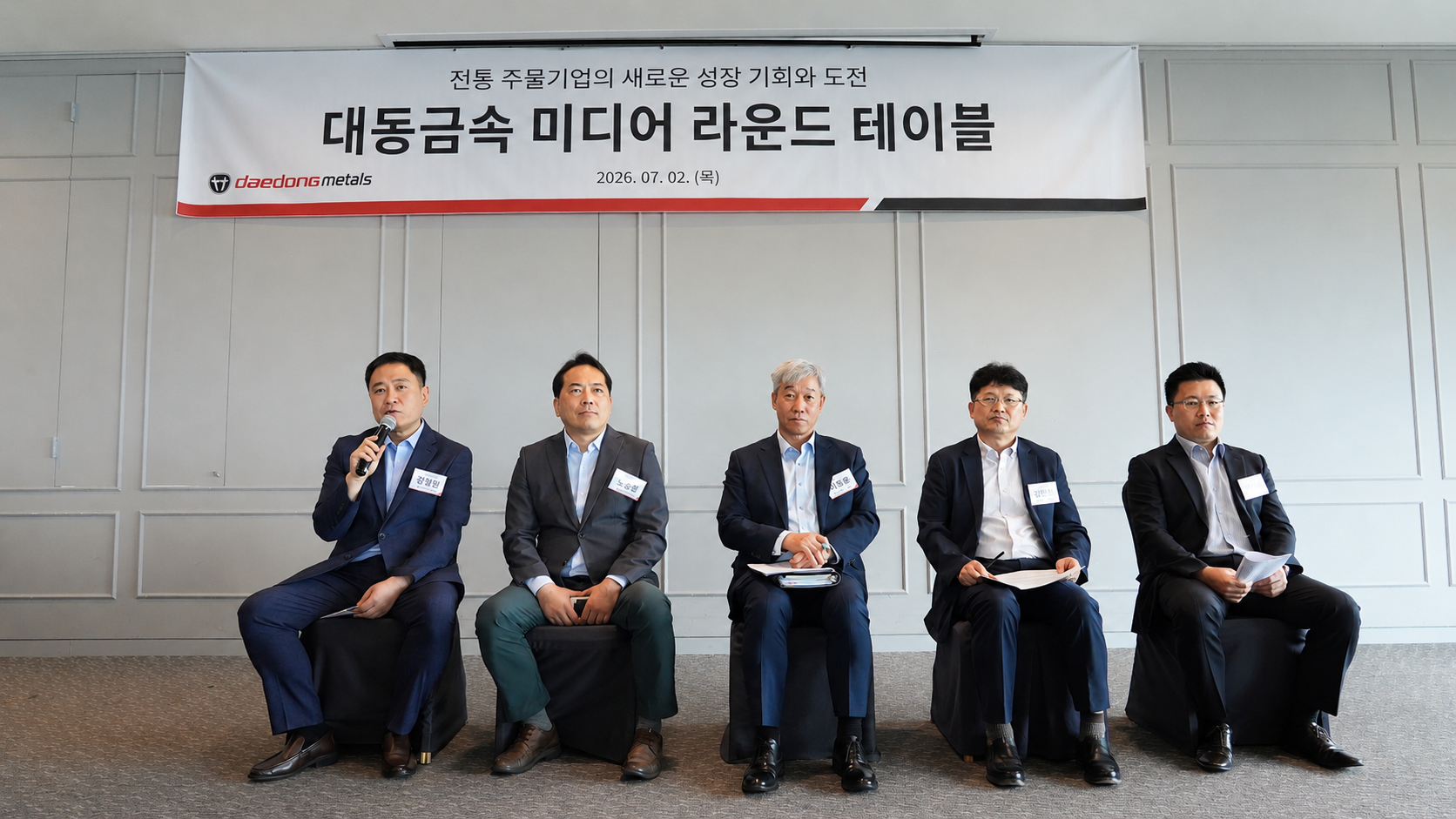
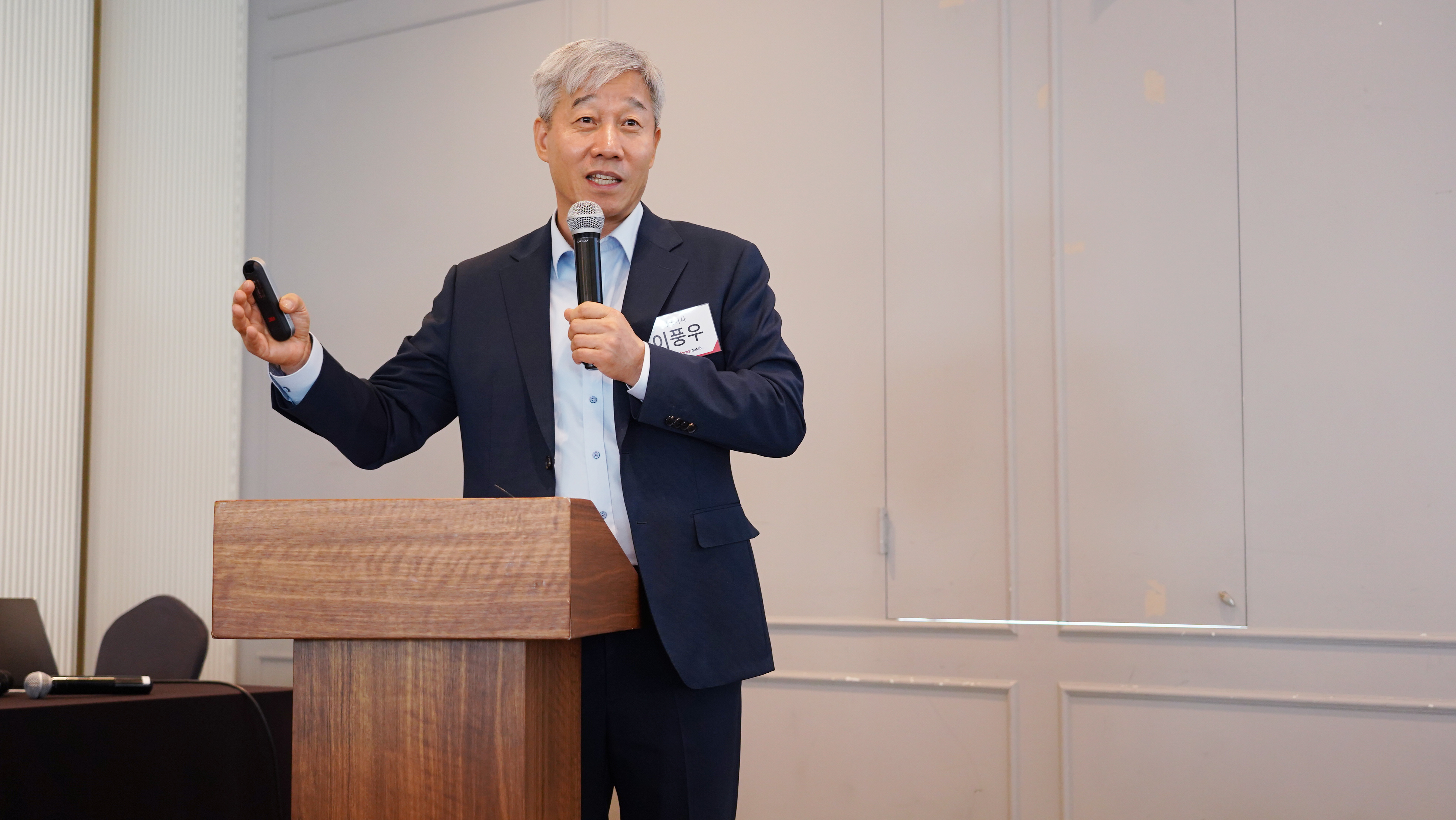
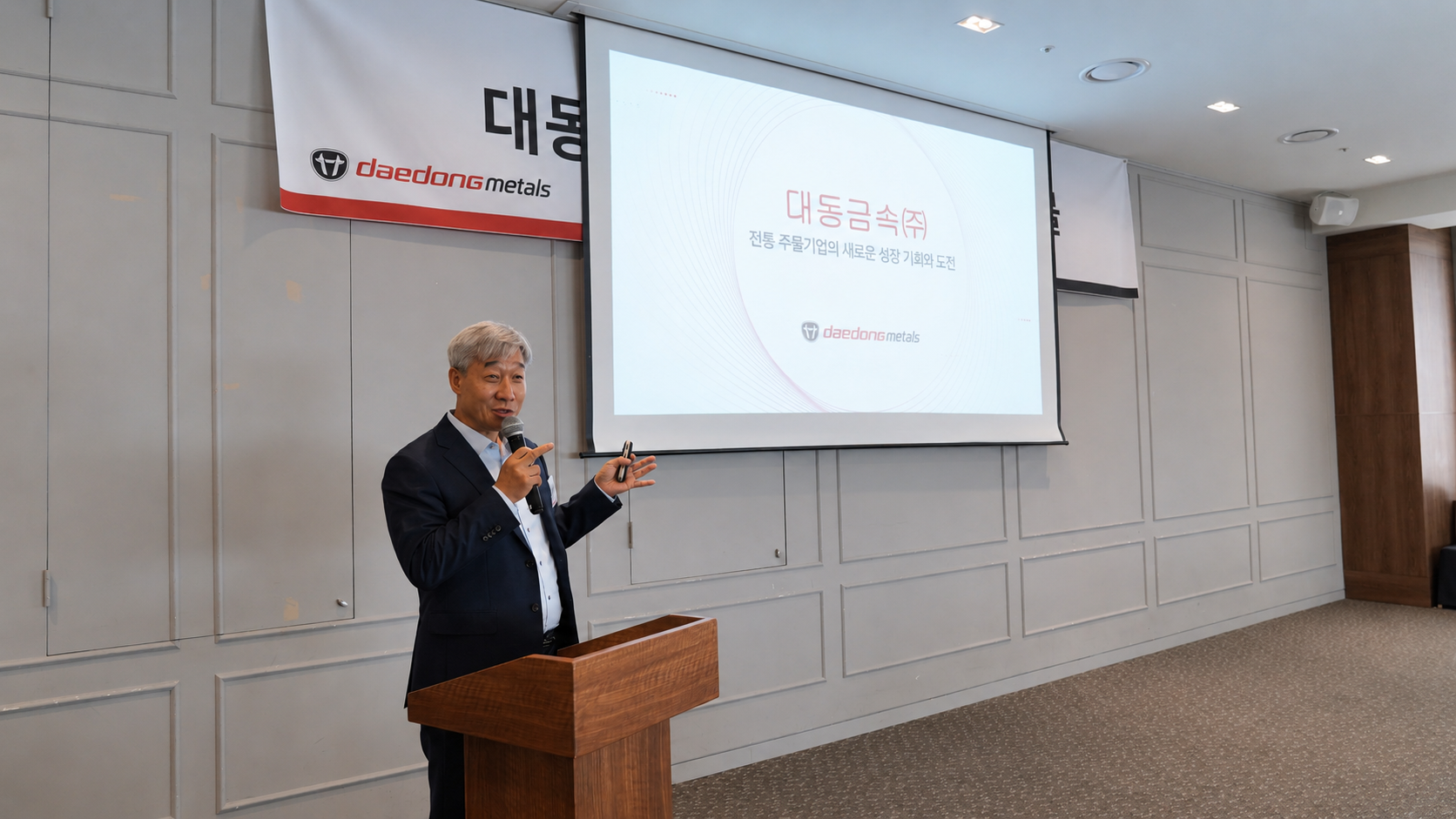
Daedong Metals (independent representatives: Kim Jun-Sik and Lee Pung-woo), Daedong Group’s specialist in cast materials and components, announced on July 2, 2026, that it had held a media roundtable in Yeouido, Seoul, to share an update on its business, its mid- to long-term growth strategy and its plans for enhancing corporate value.
Daedong Metals is securing more orders in line with the casting industry’s shift from general-purpose castings to high-value precision casting, driven by electrification, environmental regulations and the restructuring of global supply chains. The company secured orders worth KRW 48.4 billion in 2025 by winning new customers in the automotive, semiconductor, shipbuilding and industrial machinery industries. This year, it continues to win new orders by expanding into sectors such as power generation equipment, semiconductor equipment, construction machinery and agricultural machinery. In particular, it is diversifying its business portfolio beyond its existing order segments into new, high-value industries by expanding its global customer base, including in Japan’s industrial machinery and semiconductor equipment parts markets.
Alongside order growth, improvements in financial performance are becoming evident. Daedong Metals recorded revenue of KRW 101.8 billion in 2025 and returned to operating profit. The share of revenue from external customers, excluding group affiliates, also rose by 2.4 percentage points year on year to 88.5%. The company sees H2 2026 as a turning point when improvements in its operating profit margin will gather pace. It expects profitability gains to accelerate further as the effects of new orders in areas such as semiconductors and the Japanese market are fully reflected in its results.
Beyond high-value precision casting, the company is pursuing new alloy development for robots and mobility applications as its next growth driver. Working with the Korea Institute of Materials Science (KIMS), Daedong Metals is preparing to develop new alloys for humanoid robot joint and reducer cases, actuator housings, robotic arm frames, and lightweight components for electric vehicles (EVs), urban air mobility (UAM) and drones. It plans to build in-house advanced materials expertise through new alloy design and process optimization, performance validation in customer components, and joint planning of national R&D projects. Related markets are expected to grow at average annual rates of 9.7% for robot housing materials and 2.9% for lightweight automotive materials. Against this backdrop, Daedong Metals aims to carry out joint development with KIMS and establish a pilot line from 2026 to 2028, then complete customer performance validation and begin generating external revenue in earnest from 2029.
The company is also entering the smart farm materials market in connection with the group’s future business of building AI greenhouses. Daedong Group has been selected as the lead company for the Ministry of Agriculture, Food and Rural Affairs’ ‘National Agricultural AX Platform’ and is currently preparing to build advanced AI greenhouses covering approximately 21.6 hectares (65,000 pyeong) in the Muan-gun area of Jeonnam-Gwangju Special Metropolitan City. The greenhouse smart farm market is projected to reach KRW 9.4 trillion by 2030. Structural materials account for 35% of demand in the construction segment, which holds the largest share of this market. Leveraging its precision casting technology and materials and components manufacturing capabilities, Daedong Metals aims to generate its first revenue from this structural materials market in 2027 and expand supply to follow-up smart farm projects in Saemangeum, Gangjin-gun and elsewhere. Over the mid to long term, it also plans to expand into materials for agricultural robots.
To support its business expansion, Daedong Metals is also upgrading its production systems through manufacturing AX. Starting this year with a manufacturing AI-focused project worth more than KRW 400 million, it plans to invest more than KRW 1.2 billion from 2027 onward to build an autonomous factory in stages. In 2030, it aims to further upgrade the facility into a smart factory that fully integrates environmental, social and governance (ESG) principles. By reducing defect rates, improving equipment utilization, ensuring reliable delivery schedules and lowering energy costs, the company will strengthen the manufacturing competitiveness needed to expand high-value precision casting.
Through these efforts to win more high-value precision casting orders, pursue new businesses and upgrade its production systems through manufacturing AX, Daedong Metals aims to achieve revenue of KRW 240 billion in 2030. To that end, it plans to achieve average annual growth of 18.7% from 2026 to 2030 and increase the share of revenue from new businesses from 5% in 2026 to 28% in 2030. By strengthening its business fundamentals through cost innovation and productivity improvements, reinforcing shareholder return policies and expanding investor communications, the company also plans to enhance its corporate value over the mid to long term.
Daedong Metals is a specialist in cast materials and components that originated as Daedong’s foundry division in 1947. As the first company in Korea to mass-produce cylinder blocks and cylinder heads for diesel engines, it has pioneered Korean production of technically demanding cast materials and the design of mass-production processes. Today, with capabilities spanning materials such as FC, FCD, CGI and Ni-Resist, three production lines and an integrated system for managing all processes, it supplies key cast components to a wide range of industries, including automotive, agricultural machinery, industrial machinery, semiconductors and shipbuilding.