
Daedong Launches Korea’s First AI Tractor, Opening the Era of Agricultural “Field Robots”
“Let AI Field Robots Handle Farm Work”
Daedong Launches Korea’s First AI Tractor, Opening the Era of Agricultural “Field Robots”
-. An agricultural “field robot” powered by on-device vision AI, enabling autonomous operation and independent decision-making for farm tasks
-. Continuous learning through an MLOps-based framework, improving operational accuracy with use and ensuring consistent work quality
-. Unmanned autonomous operation reduces operator fatigue and workload while freeing up time for other farm tasks
-. Legislation is also being prepared to support intelligent agricultural robots that perform autonomous operations, with expectations for broader industry growth
Daedong is accelerating its efforts to turn agricultural machinery into “field robots[i].”
Daedong (Co-CEOs Kim Jun-sik and Won Yu-hyun), a leader in future agriculture, announced on April 9, 2026, that it will launch an AI tractor in Korea featuring vision AI-powered unmanned autonomous operation technology.
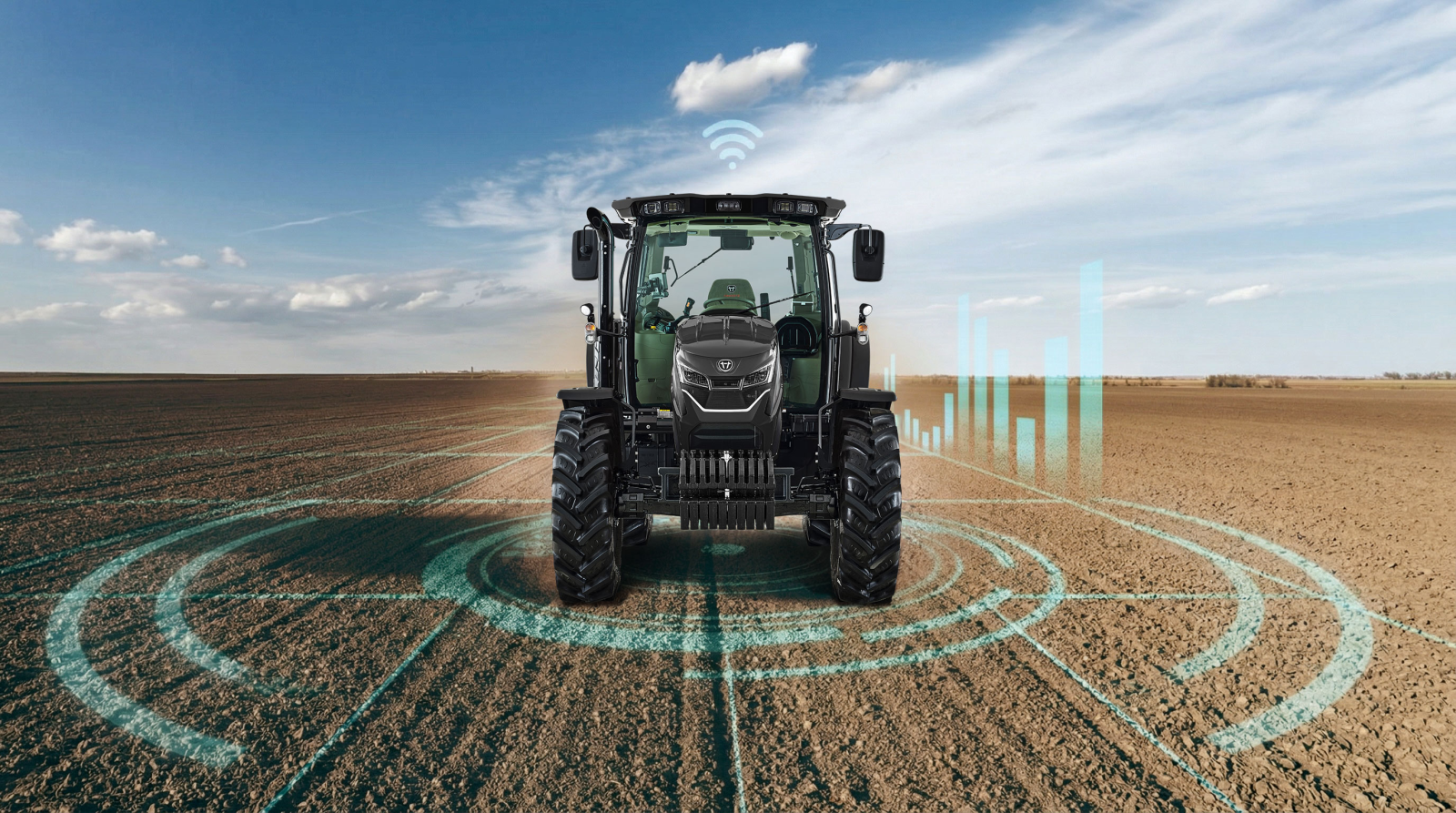
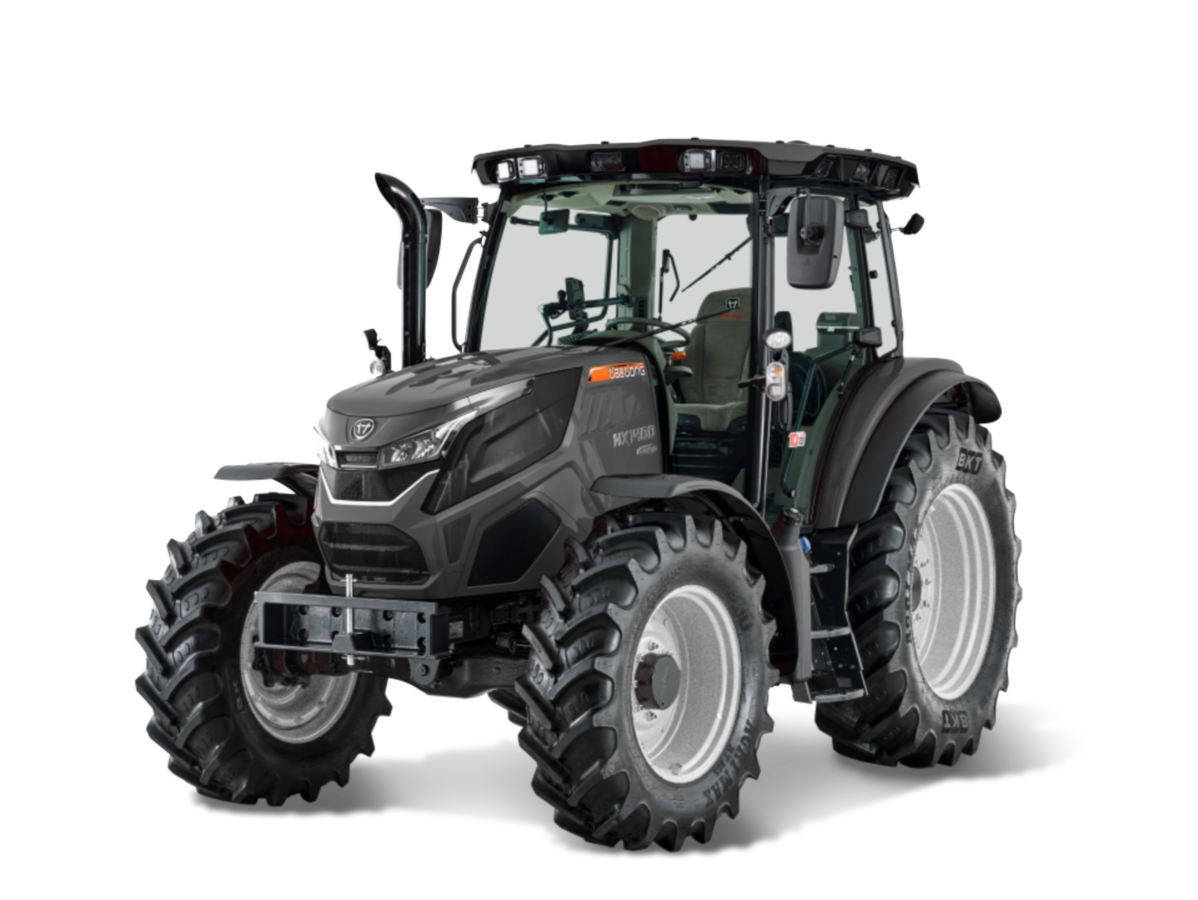
Daedong developed the AI tractor in response to the aging rural population and persistent labor shortages. The product is designed to support a new model of farm work in which robots handle repetitive, labor-intensive tasks, while people focus on supervision and decision-making. Developed through years of research and field testing, the AI tractor is a strategic model that integrates Daedong’s core AI technologies. Unlike conventional tractors, it can recognize and assess its surroundings and perform farm work autonomously, positioning it as an “agricultural field robot.”
The AI tractor is equipped with on-device AI, allowing it to make decisions and perform tasks directly on the machine without relying on the cloud. It can generate routes, respond to obstacles, and control work processes in real time in the field, enabling stable autonomous operation regardless of network conditions. A six-camera vision AI system provides 360-degree analysis of the surrounding environment, identifying field boundaries, obstacles, and attachments.
The AI tractor is designed around the idea of “delegating” farm work to the machine, rather than simply “operating” it. With the app, users can remotely control and monitor the tractor, allowing it to maintain consistent work quality even when no operator is on board or when the person on board has limited experience. Once positioned at the edge of the field, the tractor can handle most of the workflow with a single tap on a smartphone, from recognizing the attachment to generating and executing the work route, while the entire process can be monitored and managed remotely. Users can also control and manage multiple tractors simultaneously from one app, greatly improving efficiency for farms and agricultural businesses that operate large plots or multiple fields.
The AI tractor also improves over time by learning from its own operating data. Built on an MLOps, or Machine Learning Operations, framework, it collects route, obstacle, and environmental data during work, learns from that data, and applies it to future operations. As a result, accuracy and stability improve with continued use. All data is automatically recorded in Daedong’s “Operation Center,” enabling users to manage work histories and check field information through a web portal and mobile app, while supporting data-driven decision-making for farm management in the future.
Because the AI tractor can perform precise autonomous work without an operator on board, it can help reduce the fatigue and accident risks associated with long hours of driving and operating farm machinery. While the tractor is working, users can stay nearby to check and manage the results, while also preparing for other tasks such as applying pesticides and fertilizer, transplanting rice seedlings, or managing drainage channels. This helps improve hourly productivity.
Daedong also refined the tractor’s hardware design to support reliable operation in real field conditions. The tractor is built with a heavy-duty body and a wide wheelbase to maintain attachment traction and straight-line stability during unmanned operation. It also features an electronic control system that integrates steering, braking, transmission, and the three-point hitch, allowing AI-determined routes and operating conditions to be translated precisely into machine movement.
Daedong plans to roll out the AI tractor in global markets, including North America and Europe. The company is targeting a North American launch in 2027, followed by expansion into Europe. Since last year, Daedong has been conducting field tests in North America to localize its autonomous operation features for the market. Through this strategy, the company aims to build a differentiated position in global markets as more than a “tractor,” positioning the product as an AI-based agricultural field robot.
[i] Field Robot: A robot designed to work in outdoor, unstructured environments such as farmland, roads, and disaster sites. Examples include disaster response robots, construction robots, and firefighting robots. The AI tractor applies this field robot concept to agriculture.